


Nevis
Services



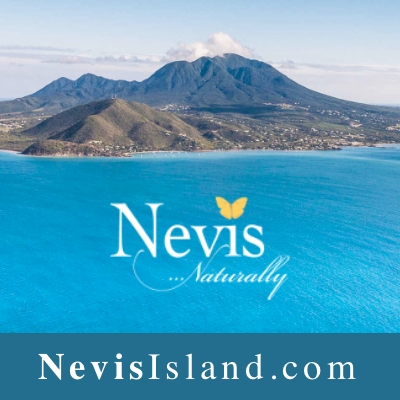
Nevis
Photos
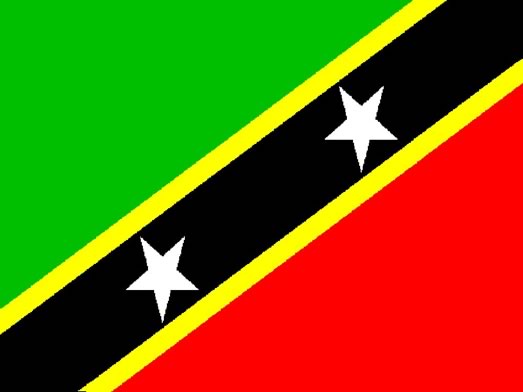
St. Kitts and Nevis is a dual island nation in the West Indies, officially known as the Federation of Saint Christopher and Nevis.
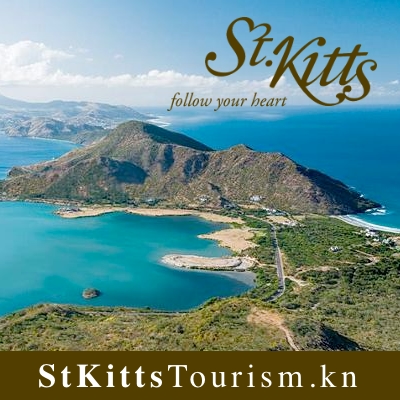
St. Kitts is located in the Leeward Islands chain of the Lesser Antilles. It is the smallest sovereign state in the Western Hemisphere, in both area and population. View Map. The islands are separated by a shallow channel called "The Narrows."
St. Kitts & Nevis is famous for being surrounded by dive sites, it's long zipline, scenic railway, valcanos and variety of water sports.
"Imagine an island that has set aside more than a quarter of its land as a National Park, with a rainforest that is actually expanding in size rather than shrinking."
1. Rich Colonial History:
St. Kitts and Nevis have a rich colonial history, being among the first Caribbean islands to be settled by Europeans. Christopher Columbus first sighted and named St. Kitts in 1493, and the islands were subsequently colonized by the British and the French, leading to a history of battles, treaties, and changing colonial powers.
2. Sugar Cane History:
The islands were once known as the "Sugar Islands" due to their historical reliance on sugar cane production. The sugar industry dominated the economy for centuries until it declined in the late 20th century.
3. Volcanic Origins:
Volcanic Origins: Both islands are volcanic in origin. Mount Liamuiga on St. Kitts is a dormant volcano and is the highest point in the country. Nevis, similarly, has volcanic origins but its peak, Nevis Peak, is also dormant.
4. Citizenship by Investment:
St. Kitts and Nevis operates a Citizenship by Investment program, allowing foreign investors to obtain citizenship through investment in real estate or a donation to the country's Sustainable Growth Fund. This program has been popular among wealthy individuals seeking a second passport.
5. Carnival Celebrations:
Carnival is a major cultural event in St. Kitts and Nevis, celebrated with colorful parades, music, dancing, and elaborate costumes. The festival typically takes place in late December and early January, coinciding with Christmas and New Year celebrations.

Visiting an island should be adventurous so why not engage in adventure! We agree, resting is important, but we're talking about after you've rested, to get that badly needed adrenaline rush. We have some ideas. How about experiencing a parasail flight or jetski race, or how about learning a new sport like kitesurfing. All the above can be achieved at St. Kitts Watersports. Speak to Jeff or Sandy.
Enjoy your stay!

"O Land of Beauty!"
10 000 - Nevis
Charlestown - Nevis
Something you can learn to do for free on any Spanish Caribbean Island; Salsa dance! Check the local newspapers for dance lessons at restaurants or clubs. Usually they have a special where you can learn to salsa dance if you buy a drink or dinner. Why not have a good time and learn something new for free!?



