Aruba's first inhabitants were from the Arawak tribe, who migrated there from Venezuela to escape attacks by the Caribs, with the earliest known settlements dating back to 1000 AD. Europeans first learned of Aruba through Amerigo Vespucci and Alonso de Ojeda's explorations for Spain in 1499, who described it as an “island of giants” after the comparatively large stature of the native Caquetíos.
Because rainfall was so low, no plantations were ever developed and slave trading stayed minimal. Spain colonized Aruba for over a century; in 1508 the Spanish Crown appointed Alonso de Ojeda as its first governor, as part of Nueva Andalucía.
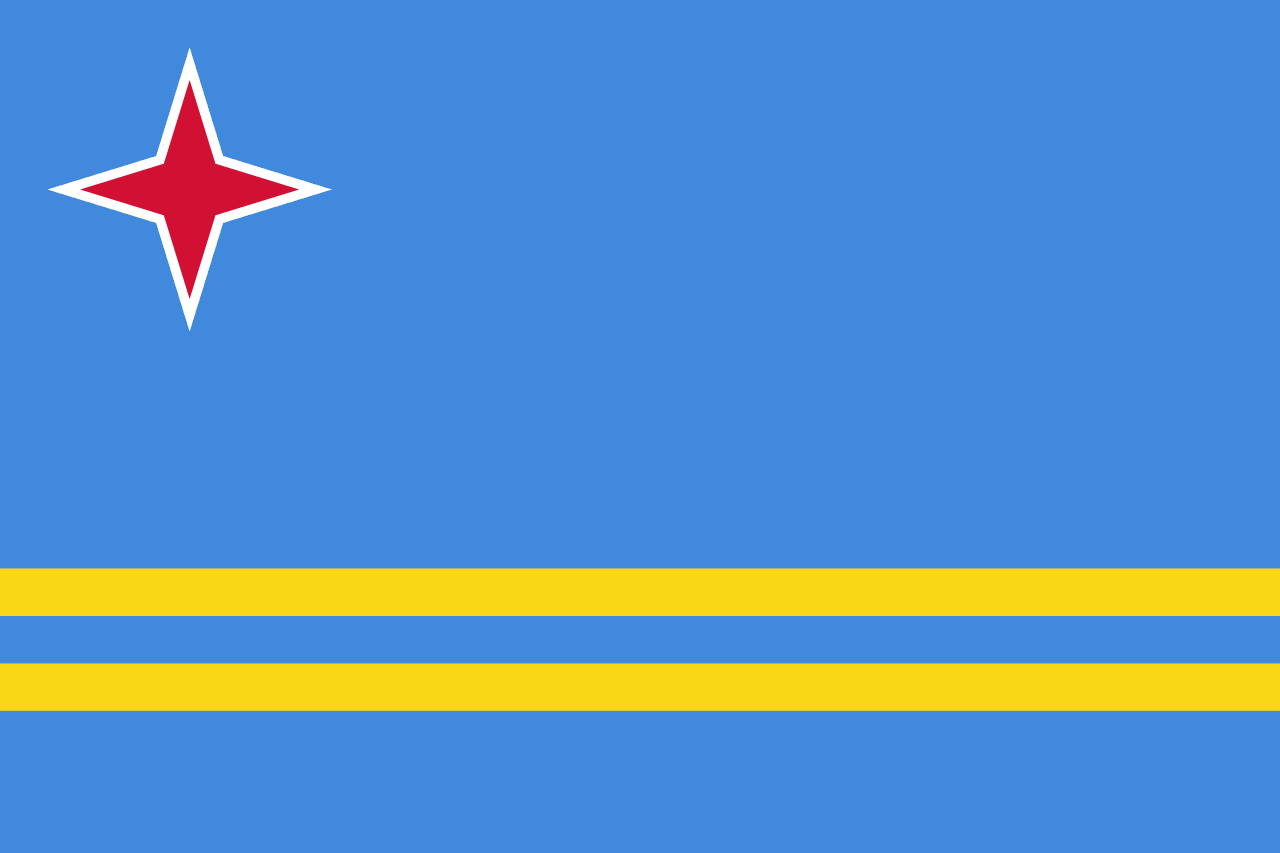
The Netherlands has regulated Aruba since 1629, and it's been under direct Dutch administration since 1636, initially governed by Peter Stuyvesant (later of New Amsterdam/New York City). The Dutch West India Company administered the island from 1648 to 1664, turning it into a livestock source for other Dutch Caribbean colonies. Aruba sent its first request for independent status and autonomy to the Queen in 1933.
During World War II, Aruba was one of the main suppliers of refined petroleum products to the Allies — a British protectorate from 1940 to 1942, then a US protectorate from 1942 to 1945. Eleanor Roosevelt briefly visited American troops stationed there in March 1944. Aruba is today a constituent country within the Kingdom of the Netherlands.
Source: Wikipedia









Aruba Social Pics
Mention @CoolestCarib in your social posts and stand a chance to be featured here.