Nationality
British and Caymanian.
Capital
George Town — hub for cruise ships, shopping and dining.
Size
76 sq mi — the largest of the three Cayman Islands (the others are Cayman Brac and Little Cayman).
Population
87,866 across all three Cayman Islands as of the official June 2024 government estimate — up sharply from the legacy page's outdated 2011 census figure of 52,601. Grand Cayman itself is home to the large majority of this total.
Currency & credit cards
Cayman Islands dollar (CI$/KYD), pegged to the US dollar at roughly CI$1 = US$1.20–1.22. Major credit cards are widely accepted; ATMs are located in banks and selected commercial outlets.
Government
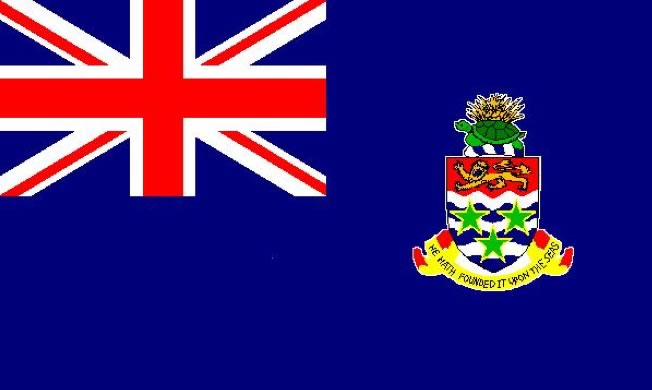
A British Overseas Territory, self-governing with an elected Legislative Assembly and a UK-appointed Governor.
Banks
More than 250 licensed banks, though only a handful are full-service retail banks — including Scotiabank & Trust (Cayman), Butterfield Bank (Cayman), Royal Bank of Canada, Cayman National Bank and First Caribbean International Bank (Cayman).
Taxation
No direct taxation is imposed on residents or Cayman Islands companies — no income tax, capital gains tax, or property tax. The government's revenue instead comes mainly from indirect taxation, including duty on most imported goods.
Time zone
Eastern Standard Time (EST, UTC-5) year-round — no daylight saving.
Drives on the
Left — same as the UK and Jamaica.
Calling code
+1 345 (North American Numbering Plan).
Drinking law
The legal drinking age is 18.
Electricity
110-volt AC (60Hz) — the same as the US and Canada, so no adapter or transformer is needed for US/Canadian appliances.
Emergency
Dial 911 for police, fire or ambulance.
Animals
Blue iguanas (Cyclura lewisi), Grand Cayman Amazon parrots (Amazona leucocephala caymanensis), and the Central American agouti (Dasyprocta punctata).
Food
Breadfruit, papaya, avocado, citrus, mango and naseberry are the predominant fruit trees; also bananas, plantains, yams, sweet potatoes, pumpkins, cassava, watermelon, cantaloupe, cucumbers, peppers and leafy vegetables. Tropical marine life fills the surrounding waters, especially around Cayman's coral reefs.
Plants
Wild banana orchids, ghost orchids, thatch palms, red birch, mahogany and various fruit trees (plantain, mango, breadfruit, tamarind), plus yellow and black mastic trees.
Lingo
Predominantly English, with either a British lilt or a Creole influence thought to have developed in the Caymans during the eighteenth century — Creole forms are more common on Cayman Brac and Little Cayman than on Grand Cayman itself.
Brief History
The Cayman Islands were first sighted by Christopher Columbus on 10 May 1503, after being blown off course during his fourth voyage — the same detour that let him sight the sister islands, Cayman Brac and Little Cayman. He called the group Las Tortugas, after the many sea turtles he found there.
Today Grand Cayman's economy leans heavily on tourism and offshore financial services, with George Town serving as both the territory's capital and one of the world's leading offshore banking centers — a combination that keeps cruise ships, dive boats and international business travelers all arriving at once.





Grand Cayman Social Pics
Mention @CoolestCarib in your social posts and stand a chance to be featured here.